Japanese Selvedge Jeans: A Deep Dive into Craftsmanship, Culture & Style
Wiki Article
In the world of denim, Vintage-inspired jeans occupy a particular place — not simply as clothing, but as objects of craftsmanship, history, and enduring style. Revered by denim enthusiasts and fashion lovers alike, these jeans combine centuries-old textile traditions with modern sensibilities.
What Are Selvedge Jeans?
Selvedge (also spelled selvage, meaning “self-edge”) refers to a specific way fabric is woven. On classic denim looms — especially vintage shuttle looms — the fabric’s edges finish cleanly, preventing fraying. This edge appears on the inside of the jeans’ outseams, often having a colored thread stripe (commonly red), and it is prized for both durability and aesthetic appeal.
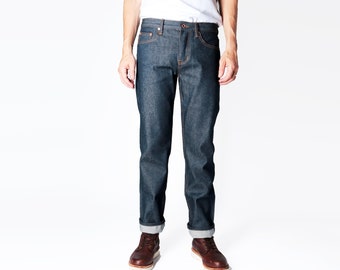
Unlike mass-produced denim made on modern projectile looms, selvedge denim is:
Narrower in width
Tightly woven
Slower plus much more meticulous to produce
These characteristics contribute to its texture, longevity, and unique fading patterns over time.
Why Japan?
Japan wasn’t the birthplace of denim — that was in the 19th- century United States — but Japanese artisans elevated denim production into a fine craft.
After World War II, denim made its way into Japanese culture through American influence. Over decades, Japanese textile workers and designers studied vintage American denim, by the 1970s–80s started to produce their very own denim fabrics using imported and then domestically made shuttle looms. The Japanese approach emphasized:
Attention to detail
Superior craftsmanship
High-quality raw materials
Traditional dyeing methods, especially using high-grade indigo
Over time, Japan became internationally noted for producing the best selvedge denim within the world — often considered the gold standard among denim connoisseurs.
What Makes Japanese Selvedge Jeans Special?
???? 1. Vintage Shuttle Loom Weaving
Most Japanese selvedge denim is woven on shuttle looms — slower machines that produce narrow, dense, and characterful fabric. The result is denim that feels richer and wears more interestingly with time.
???? 2. High-Quality Indigo Dye
Japan is noted for its deep, rich indigo dyes — often using natural dyeing techniques or premium synthetic indigo that creates vibrant color and distinctive fading patterns.
???? 3. Variation in Texture
Japanese denim isn’t uniform. Mills test out different yarn twists, denim weights (often from ~12 oz as much as 18 oz+), and slub — intentional irregularities in yarn — which give denim texture and personality.
???? 4. Attention to Construction
Beyond the denim itself, Japanese jeans often feature:
Hand-finished or artisanal stitching
Heavy duty hardware
Unique pocket bags
Thoughtful cut and fit
The entire garment reflects a craftsman’s mindset — not only the fabric.
Fading & Wear: The Beauty of Raw Denim
Many Japanese selvedge jeans can be bought raw or unwashed. That means:
No pre-distressing
No stone washing or shrinking
A stiff, dark indigo canvas at first
As you put them on, they gradually burglary and develop personalized fades that reflect your way of life — whether you bike, spend time at a desk, or walk miles every single day.
This gradual transformation and ownership of wear is a big part of the appeal for denim enthusiasts.
Iconic Japanese Denim Mills & Brands
Japan is home to many prestigious denim mills and brands, often centered around regions like Okayama and Kojima. Some iconic mills include:
Kuroki
Kaihara
Boecker
Taira
Japan Blue / JB
And brands that have popularized Japanese selvedge jeans globally:
Pure Blue Japan
Iron Heart
Denime
Momotaro
Samurai Jeans
3sixteen (collaborations with Japanese mills)
Each possesses his own aesthetic, weight preferences, and philosophies toward denim.
How to Choose the Right Pair
When buying Japanese selvedge denim, consider:
???? 1. Weight
Measured in ounces per square yard:
12–14 oz: Lighter plus much more comfortable for everyday wear
15–18+ oz: Heavier, tougher, slower to burglary, with dramatic fading
???? 2. Cut & Fit
Japanese brands offer varied fits — from slim to relaxed to tapered. Try them on or consult sizing charts carefully, as raw denim usually shrinks following the first wash.
???? 3. Details
Look at:
Selvedge ID color (red is classic, but others exist)
Stitching quality
Pocket construction
Hardware (buttons, rivets)
These indicate overall quality and focus on detail.
Caring for Your Selvedge Jeans
To preserve the denim and encourage unique fades:
Wear often before washing
Wash as infrequently as possible
Cold soak or gentle wash when needed
Air dry to prevent shrinking or damage
Patience is part of the process — along with the reward is often a pair of jeans that tells your story.
Japanese selvedge jeans will be more than just garments — they’re a blend of heritage, craftsmanship, and private expression. Whether you’re a denim newcomer or an avid collector, understanding what sets Japanese denim apart enriches both appreciation and experience.